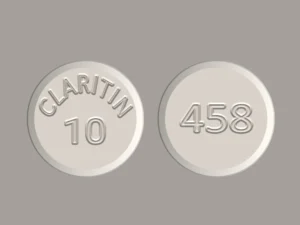
Buy Claritin Online

Claritin 10mg

Price range: $342.00 through $955.00
Select options This product has multiple variants. The options may be chosen on the product page

What is Claritin?

Claritin is a brand name for loratadine, a second-generation antihistamine used primarily to relieve symptoms associated with seasonal and year-round allergies. It is commonly used for sneezing, runny nose, itchy or watery eyes, and itching of the nose or throat.

Claritin is a widely used antihistamine medication that helps relieve allergy symptoms such as sneezing, runny nose, itchy eyes, and skin irritation. It is commonly chosen because it provides long-lasting allergy relief with less drowsiness compared to older antihistamines.

How Claritin Works in the Body

Claritin works by blocking histamine, a chemical released by the body during an allergic reaction.

When histamine is blocked, Claritin can help reduce:

  • Sneezing
  • Runny nose
  • Itchy nose or throat
  • Watery eyes
  • Itchy eyes
  • Other common allergy symptoms

Loratadine primarily targets peripheral histamine receptors, which helps provide allergy relief while generally causing less sedation than older antihistamines.

Medical Uses of Claritin

Seasonal Allergies

Claritin is commonly used to relieve symptoms caused by seasonal allergens such as pollen, grass, and certain outdoor plants.

Year-Round Allergies

It may also help manage allergy symptoms caused by indoor allergens, including dust mites and pet dander.

Hay Fever

Loratadine can reduce common hay fever symptoms such as sneezing, nasal discharge, and itchy or watery eyes.

Hives

Healthcare providers may recommend loratadine for certain cases of chronic urticaria, commonly known as hives, to reduce itching and related symptoms.

Different Forms and Strengths of Claritin

Claritin and loratadine products may be available in several forms.

Tablets

Regular tablets are commonly available in a 10mg strength for appropriate patients.

Chewable Tablets

Chewable formulations may be available for people who have difficulty swallowing conventional tablets.

Orally Disintegrating Tablets

Some formulations dissolve in the mouth without requiring water.

Liquid Formulations

Loratadine liquid may be available for children or individuals who prefer a liquid medication.

Combination allergy products may contain additional active ingredients, so consumers should check product labels carefully to avoid taking unnecessary medications.

Recommended Dosage and Usage Guidelines

The appropriate dose of Claritin depends on factors such as age, formulation, and medical history.

For safe use:

  • Follow the product label or healthcare provider’s instructions.
  • Do not take more than the recommended amount.
  • Use the correct formulation for the patient’s age.
  • Check combination products for duplicate active ingredients.
  • Ask a healthcare professional about dosing if you have liver or kidney problems.

Children should receive age-appropriate formulations and doses according to the product labeling or a healthcare professional’s advice.

Who Should and Should Not Use Claritin

Individuals Who May Benefit

Claritin may be appropriate for people experiencing:

  • Seasonal allergic rhinitis
  • Year-round allergic rhinitis
  • Sneezing caused by allergies
  • Runny nose caused by allergies
  • Itchy or watery eyes
  • Certain types of chronic hives

Individuals Who Should Seek Medical Advice

People with certain medical conditions should speak with a healthcare professional before using loratadine, particularly those with:

  • Significant liver disease
  • Significant kidney disease
  • Known allergy to loratadine or related ingredients
  • Pregnancy or breastfeeding concerns
  • Children below the recommended age for a particular formulation

A healthcare professional can determine whether Claritin is appropriate for an individual’s circumstances.

Common Side Effects of Claritin

Claritin is generally well tolerated, but side effects can occur.

Possible side effects include:

  • Headache
  • Mild drowsiness
  • Fatigue
  • Dry mouth
  • Nausea
  • Sore throat

Although loratadine is considered less sedating than many older antihistamines, some individuals may still experience sleepiness.

Serious Risks and Health Warnings

Serious reactions to Claritin are uncommon, but patients should be aware of potential warning signs.

Allergic Reactions

Rarely, a person may experience a serious allergic reaction to loratadine or an inactive ingredient.

Symptoms requiring urgent medical attention may include:

  • Difficulty breathing
  • Facial or throat swelling
  • Severe rash
  • Fainting

Excessive Use

Taking more than the recommended amount does not necessarily provide greater allergy relief and may increase the risk of adverse effects.

Medical Conditions

Individuals with significant kidney or liver impairment may require individualized guidance regarding loratadine use.

Claritin Dependency and Abuse Potential

Claritin is not an opioid, benzodiazepine, stimulant, or other medication typically associated with addiction and physical dependence.

Loratadine does not generally produce the type of dependence associated with controlled substances. However, taking any medication differently from its recommended instructions can increase the possibility of adverse effects.

Patients should use Claritin according to the package directions or their healthcare provider’s recommendations.

Drug Interactions You Should Know About

Claritin generally has fewer significant interactions than many older antihistamines, but medication interactions are still possible.

Other Antihistamines

Taking multiple antihistamines together may increase side effects without providing additional benefit.

Medications Affecting Liver Enzymes

Certain medications can influence how loratadine is metabolized and may alter its effects.

Alcohol

Although loratadine is less sedating than many older antihistamines, alcohol may increase drowsiness in some individuals.

Other Allergy Products

Some cold, flu, and allergy products contain antihistamines or other overlapping ingredients. Reading labels can help prevent accidental duplication.

Patients should tell their healthcare provider or pharmacist about all prescription medications, over-the-counter products, vitamins, and supplements they use.

Legal Status and Prescription Requirements

Claritin is available as an over-the-counter allergy medication in the United States, although specific formulations and regulations can differ between countries.

Because it is generally available without a prescription, patients can follow the package directions for appropriate use. Individuals with persistent or severe allergy symptoms should consult a healthcare professional rather than relying on self-treatment indefinitely.

Safe Use Practices and Medical Supervision

Using Claritin safely involves following the recommended dosage and paying attention to individual reactions.

Important practices include:

  • Follow package directions carefully.
  • Do not exceed the recommended dose.
  • Check combination products for duplicate antihistamines.
  • Use age-appropriate formulations for children.
  • Discuss use with a healthcare professional if you have significant liver or kidney problems.
  • Seek medical advice if symptoms persist or worsen.

Proper use can help maximize allergy relief while minimizing unnecessary medication exposure.

Alternatives to Claritin for Allergy Treatment

Several options may be considered depending on the type and severity of allergy symptoms.

Other Antihistamines

Other second-generation antihistamines may provide similar relief for certain individuals.

Nasal Corticosteroids

For persistent allergic rhinitis, healthcare professionals may recommend nasal corticosteroid sprays, which can be particularly effective for nasal congestion and inflammation.

Saline Nasal Rinses

Saline irrigation can help remove allergens and mucus from the nasal passages.

Allergy Avoidance

Reducing exposure to known allergens can also help control symptoms.

Helpful strategies may include:

  • Keeping windows closed during high-pollen periods
  • Washing bedding regularly
  • Reducing indoor dust
  • Using appropriate air filtration
  • Limiting exposure to known triggers

Frequently Asked Questions About Claritin

What is Claritin used for?

Claritin is primarily used to relieve allergy symptoms such as sneezing, runny nose, itchy eyes, and watery eyes. It may also be used for certain cases of chronic hives.

What is the active ingredient in Claritin?

The active ingredient in Claritin is loratadine.

Does Claritin make you sleepy?

Claritin is generally less likely to cause drowsiness than older antihistamines, but some people may still experience sleepiness.

How long does Claritin take to work?

Loratadine generally begins providing allergy relief within a few hours, although individual responses can vary.

Can children take Claritin?

Some Claritin formulations are approved for children, but the appropriate product and dose depend on the child’s age. Always follow the product labeling or seek advice from a pediatric healthcare professional.

Can I take Claritin every day?

Loratadine is commonly used on a daily basis for ongoing allergy symptoms when taken according to product directions or healthcare-provider recommendations.

Do I need a prescription for Claritin?

In the United States, many Claritin products are available over the counter without a prescription.

Conclusion

Claritin, which contains loratadine, is a widely used antihistamine for relieving common allergy symptoms such as sneezing, runny nose, itchy eyes, and watery eyes. It works by blocking histamine activity and is generally less sedating than many older antihistamines. Claritin is available in several formulations, including tablets and liquid products, making it suitable for different age groups when used according to appropriate directions. Although it is generally well tolerated, users should follow recommended dosing instructions and consult a healthcare professional when symptoms are severe, persistent, or difficult to control.