Buy Klonopin Online
Showing all 3 results
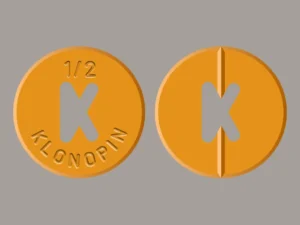
Klonopin 0.5mg
Price range: $353.00 through $828.00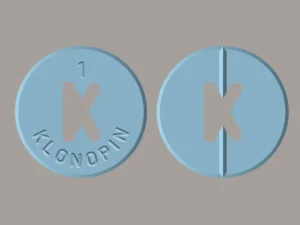
Klonopin 1mg
Price range: $388.00 through $1,051.00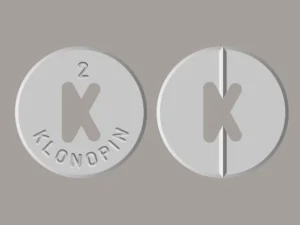
Klonopin 2mg
Price range: $403.00 through $1,062.00Klonopin Overview A potent benzodiazepine (clonazepam) for seizures and panic disorders. Slows brain activity for calming effects, but carries a high addiction risk. Long-acting with effects lasting 6-12 hours, making withdrawal severe if stopped abruptly. Some misuse it for sedation or to enhance other drugs. Illicit markets offering to buy Klonopin online often sell counterfeit pills with dangerous additives. While effective medically, recreational use risks memory loss, respiratory depression, or fatal overdose when mixed with opioids/alcohol. Verify pharmaceutical authenticity. Biography Developed in the 1960s by Roche, clonazepam (Klonopin) gained FDA approval in 1975 as an anti-seizure medication. By the 1990s, off-label use for anxiety surged despite addiction concerns. Today, it’s a Schedule IV controlled substance. Illicit demand persists, with dangerous attempts to buy Klonopin online from unregulated sources. Originally valued for its long-lasting effects, Klonopin now faces strict prescribing limits due to widespread misuse and its role in polydrug overdose deaths. Klonopin FDA Status Classified as Schedule IV due to abuse potential. Approved for panic disorders and seizures, but carries black box warnings for dependency and withdrawal risks. Despite regulations, illicit demand persists, with some attempting to buy Klonopin online, often receiving counterfeit pills with unsafe additives. The FDA mandates strict prescribing protocols but warns against long-term use due to cognitive impairment risks. Unauthorized distribution carries legal penalties. Even therapeutic doses can cause respiratory depression when mixed with opioids/alcohol. Verify all medications through licensed pharmacies. Uses of Klonopin Primarily treats seizure disorders and panic attacks by calming overactive brain signals. Off-label, some use it for insomnia or anxiety relief. Its long-lasting effects (6-12 hours) increase the misuse potential for relaxation or recreational sedation. Illicit markets offering to buy Klonopin online often distribute counterfeit pills with dangerous additives like fentanyl. Short-term medical use requires caution, as dependency develops rapidly. Never mix with alcohol/opioids (respiratory failure risk). Verify pharmaceutical sources; altered formulations risk overdose or adverse reactions. How Klonopin Works This benzodiazepine enhances GABA, a brain chemical that slows nerve activity, reducing seizures and anxiety. Results begin within 1 hour and last up to 12 hours. Some misuse it for its sedative effects, risking dependency. Illicit attempts to buy Klonopin online often yield fake pills with unknown substances. Tolerance builds quickly, requiring higher doses for the same effect. Abrupt stoppage may trigger seizures or rebound anxiety. Always verify sources counterfeit versions can be lethal. How to buy Klonopin online? It’s simple to purchase Klonopin online, but choosing the correct pharmacy might be difficult. People can obtain harmful, subpar medications in various locations. Always confirm the legitimacy and dependability of an online pharmacy. Everyone in the US market can purchase high-quality Klonopin online from our trustworthy medical company for a very reasonable price. Save up to 25% on all medications. Apply the CARRY10 coupon code. We also provide expedited and overnight shipping. If you have any questions concerning Klonopin therapy or any of its negative effects, please get in touch with our healthcare counselor. Because Klonopin is a prohibited substance, carefully read the instructions before taking any prescribed medication. Pill Identifications Genuine Klonopin tablets are round or oval with distinct markings: 0.5mg: Blue, scored, marked “TEVA” and “93” 1mg: Peach, scored, marked “TEVA” and “833” 2mg: White, scored, marked “TEVA” and “834” Counterfeit versions are common when users buy Klonopin online often have uneven coloring, misspelled markings, or chalky texture. Always verify pills through drug databases. Legitimate packaging includes manufacturer details and lot numbers. Never use crushed or altered tablets this increases overdose risks. Klonopin Dosage Guidelines Teenagers: Rarely recommended; maximum 0.25mg if used for seizures. Adults: 0.25 mg- 1 mg daily for panic disorders; 1.5 mg- 20 mg for epilepsy. Older Age: Start with 0.125mg (increased sensitivity risks falls/confusion). Illicit attempts to buy Klonopin online often result in counterfeit 2mg pills with dangerous additives. Never crush tablets this accelerates absorption, raising overdose risks. Tolerance develops rapidly; abrupt cessation causes seizures. Always verify pharmaceutical sources to avoid fentanyl-laced fakes. Klonopin Overdose Symptoms Extreme drowsiness, confusion, slurred speech, or muscle weakness signal danger. Severe cases cause slowed breathing, loss of coordination, or coma especially when mixed with opioids/alcohol. Counterfeit pills (common when users buy Klonopin online) may contain lethal fentanyl, worsening risks. Immediate medical help is critical flumazenil can reverse the effects. Never ignore warning signs; clonazepam’s long half-life prolongs overdose dangers. Prevention requires strict dose control and avoiding unverified sources. Watch for blue lips/nails, a sign of oxygen deprivation. Klonopin Safety Guidelines Use only as directed for seizures/panic, never increase dose or frequency. Avoid alcohol and opioids (deadly respiratory depression possible). Swallow pills whole; crushing alters the absorption rate. Store securely to prevent misuse. Taper gradually to avoid withdrawal seizures. Counterfeit risks spike when users buy Klonopin online, fake pills often contain fentanyl. Verify pharmacy licenses before purchase. Report mood changes or memory issues immediately. Higher doses increase fall risks use caution when mobile. Keep flumazenil accessible for emergencies. Klonopin Warnings Highly Addictive – Dependency can develop within weeks Deadly Combinations – Mixing opioids/alcohol causes respiratory failure Severe Withdrawal – Abrupt stoppage triggers seizures or rebound anxiety Counterfeit Pills – Sources to buy Klonopin online often sell fentanyl-laced fakes Cognitive Impairment – Risks include memory loss, dizziness, and dangerous falls Pregnancy Danger – May cause neonatal withdrawal syndrome Overdose Risk – No antidote; flumazenil only partially reverses effects Legal Consequences – Unauthorized possession carries criminal charges Active Ingredients The active ingredient in Klonopin is clonazepam, a strong range of benzodiazepines that is mainly used to treat seizure disorders, panic disorders, and the management of anxiety. The way it works is by heightening the effects of GABA within the brain, that sedates and relaxes your brain activities and promotes calmness and relaxation. Klonopin generally comes in the form of a tablet and is produced in 3 doses (0.5mg, 1mg, and 2mg). It’s best to follow your prescription, as long-term use can lead to dependence. Some people look to buy Klonopin online, which would be your best option, as it can be very addictive, but be careful because there is a risk of misuse. Always consult your doctor before taking medication. Some of the common side effects associated with Klonopin include drowsiness, dizziness, and issues with coordination, and it should be stored away from moisture. Side Effects of Klonopin Common: Drowsiness Dizziness Fatigue Muscle weakness Memory issues Slurred speech Blurred vision Serious Adverse Effects: Mood swings Confusion Severe drowsiness Respiratory depression Dependency risk Warning: Misuse may cause overdose. Some attempt to buy Klonopin online without medical advice, to avoid self-medication. Withdrawal symptoms include rebound anxiety. Avoid alcohol and other CNS depressants. Monitor for unusual reactions. Use strictly as directed. Drug Formulation Klonopin (clonazepam) comes in oral tablets (0.5mg, 1mg, 2mg) and orally disintegrating tablets (ODTs). The formulation includes inactive ingredients like lactose, magnesium stearate, and cellulose. Designed for rapid absorption, it peaks in 1-4 hours. Some seek to buy Klonopin online, but counterfeit risks exist. Pills should be reserved in a cool, dry place. Avoid crushing or splitting doses without guidance. Proper formulation ensures controlled release, but misuse can lead to tolerance or adverse effects. Always verify authenticity. Other brands Klonopin (clonazepam) is also sold under other brand names worldwide. In the US, generic clonazepam is widely available. Internationally, brands include Rivotril (Europe/Latin America), Paxam (Australia), and Klonopin itself in some markets. These contain the same active ingredient but may differ in inactive components or pricing. Some people look to buy Klonopin online from international pharmacies, but quality and legality vary. Always check dosage equivalence when switching brands. Storage requirements and shelf life may differ slightly between manufacturers. Klonopin Manufacturers Klonopin (clonazepam) is primarily manufactured by Roche under its original patent. Generic versions are produced by Teva, Actavis, Mylan, and other pharmaceutical companies. These generics contain identical active ingredients but may differ in binders or fillers. Some suppliers offer to buy Klonopin online, but the authenticity can be questionable. Manufacturers must follow strict FDA/EMA guidelines for quality control. Packaging varies by brand. Check for proper seals and markings. Storage conditions remain consistent across brands: cool, dry places away from light. Conclusion Klonopin’s (clonazepam) properties create strong efficacy in treating anxiety, panic disorder, seizures, and more. Although it offers the benefits of certain treatment, there are always side effects (like drowsiness) and long-term effects (like dependence), so be mindful. There are “branded” products and generic products, but it is most important to ensure the quality is consistent. People will consider other alternatives to purchase Klonopin online, however, there is always a risk of counterfeit. Proper storage, proper intake (taking your prescribed dose), and using with medical authority will help limit needless risks. Always value authenticity, be cognizant of usage directions, and act deliberately with Klonopin, and in return, you can benefit from its positive effects. FAQs What is Klonopin used for? Klonopin helps manage seizures and panic disorders by calming brain activity. How long does Klonopin take to work? Effects usually start within 1-4 hours, but full benefits may take days or weeks. What are common side effects? Drowsiness, dizziness, confusion, and coordination issues are possible. Can Klonopin be taken long-term? Long-term use may lead to toleration or dependence; follow medical guidance. Does Klonopin interact with other substances? Bypass alcohol and certain medications, as they can increase sedation risks.