
Buy Ksalol Online
Showing the single result
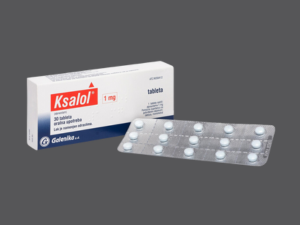
Ksalol 1mg
Price range: $353.00 through $881.00What Is Ksalol Used For? Ksalol is a benzodiazepine class of drugs that is effectively used to treat anxiety disorder, panic disorder, and Insomnia (caused by anxiety). This medication is FDA (food and drug administration) approved, as it complies with its safe-to-use regulation. This medication helps to release overthinking problems, anxiety, and sleepiness by producing a calming effect in the brain. It helps increase certain neurotransmitters in the brain and reduces normal excitement. Being a benzodiazepine medication, it has a higher risk for abuse and misuse, and using it on a regular basis for an extended period can make a person habitual to it. Ksalolo contains several dangerous ingredients that a licensed medical store or pharmacy may not even sell or purchase. It is recommended not to use this medication without a doctor’s prescription. If you are experiencing any of these symptoms (unusual muscle movement, being more active and talkative than usual, severe mood changes, changes in behavior, seizures, hallucination, confusion, and suicidal thoughts), then you can safely use this medication on a doctor’s prescription. Mechanism Of Action Ksalol works by increasing the effects of certain brain chemicals called gamma-aminobutyric acid (GABA), which promotes calmness and produces a relaxed feeling. It starts to kick within an hour or two after taking an initial dose. This medication is quickly absorbed by the body to produce a sedative and relaxing effect. Dosing Information Avoid adjusting or increasing the dose by yourself unless it is recommended by your doctor. For Anxiety In Adults The recommended dose of immediate-release tablets for adults is 0.25 – 0.5mg, which is advised to be taken three times a day. For Panic Disorder In Adults The recommended dose for panic disorder in adults is 0.5 mg, and the recommended dose of an immediate-release tablet is Ksalol 1mg to be taken three times a day. The dose of extended-release tablets can be increased for up to 10mg after an interval of 3 – 4 days, but this should not be increased by more than 10 mg in a day. Like any other medicine that can also be taken with or without food, just swallow the extended-release tablets with a glass of water, and you are good to go for the day. Risks And Side Effects Ksalol causes mild to serious side effects that can sometimes be dangerous to your health. Some of the most common and notable side effects of Ksalol are as follows. Common Side Effects Of Ksalol Dizziness Drowsiness Feeling sick Headache Irritability Talkativeness Dry mouth Agitation Aggression Serious Side Effects Of Ksalol Seizures – They can cause symptoms such as stiffness in the body, jerking or shaking, or staring blankly. If you experience any of these symptoms, contact a doctor immediately. Liver Problems – Regular and prolonged use of Ksalol can cause severe liver issues such as feeling sick, nausea, vomiting, upper right abdominal pain, and jaundice. Drug Dependence – Using Ksalol for a longer time than prescribed can be habit-forming, as it can lead to dependency and addiction to it. Hallucinations – Overdosing on Ksalol can make you hallucinate; you may see or hear things that are not real. Weight Loss – This medication can lessen your appetite, and you may experience weight loss while using this medication. Overdose of Ksalol is possible at any higher dose used more than the prescribed dose. The risk of side effects and overdose may be higher in people who are 65 years of age or older. Who Should Not Use Ksalol? Avoid using Ksalol if you have any of these conditions such as – 65 years old or above Any allergic reactions to Diazepam or any of the Benzodiazepine medication Liver disease or alcohol-related liver problems Acute narrow-angle glaucoma Suffering from lung or breathing problems Used any MAO inhibitory in the past 11 days Trying for pregnancy, already pregnant, or a breastfeeding mother Alcohol addiction or any substance use disorder What Should I Know Before Using Ksalol? To prevent any severe side effects, withdrawal symptoms, and drug interaction, you must know these things before using Ksalol to ensure its safety and effectiveness. Avoid using Ksalol if you are allergic to it or have narrow-angle glaucoma. Talk to your doctor if you are habitual to alcohol or any other substance. If you are allergic to it, use antifungal medicines such as traconazole and ketoconazole before using Ksalol to prevent any side effects. Avoid using this medication during pregnancy without consulting a doctor. Do not drink alcohol while using this treatment, as it can adversely affect the effects of this medication. Take a lower dose of this medication if you are older than 65 years. Where To Buy Ksalol Online? If you are someone who has been diagnosed with anxiety and panic disorder or insomnia? Then Carryout med is a one-stop shop for your health needs and requirements. Order Ksalol online to get instant relaxation from anxiety and panic disorder. To buy Ksalol online, wishlist your desired dose of Ksalol, add it to your cart, use Coupon Code – CARRY10 at the checkout page, and place your order right now to get an instant 25% discount on all your essential medicines. Pay through multiple payment methods (Credit Card, Debit Card, Venmo, and more) for safe and secure transactions, and get express delivery of your products to your doorstep through our trusted shipping partners (USPS and FedEx). Conclusion People who have been diagnosed with anxiety and depression may become mentally fit after using this medication, but the habit of taking a pill in a day has not fully vanished from their lives. Do not share this medication with others who are 65 years or older than that, and keep it out of reach of children to prevent any adverse effects of this medication. Ksalol contains a higher risk of abuse, misuse, and addiction. One must use this medication only on a doctor’s prescription and stop using it when they fully recover to prevent addiction and withdrawal symptoms of this medication. “Quality Medications To Fulfill Your Health Needs”