Buy Vicodin Online
Showing all 2 results
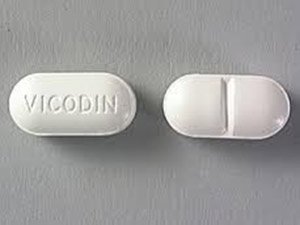
Vicodin 5/500mg
Price range: $410.00 through $886.00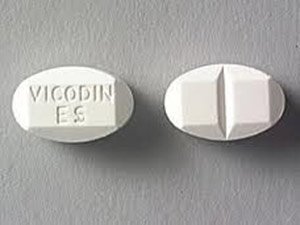
Vicodin 7.5/750mg
Price range: $434.00 through $932.00What is Vicodin?
Vicodin is a prescription pain medication that combines hydrocodone, an opioid analgesic, and acetaminophen, a non-opioid pain reliever and fever reducer. It is commonly prescribed for the treatment of moderate to moderately severe pain when other pain management options are not sufficient.
By combining two pain-relieving medications with different mechanisms of action, Vicodin can provide effective pain control for a variety of acute and chronic pain conditions. Because it contains hydrocodone, Vicodin is classified as a controlled substance and should be used only under medical supervision.
Hydrocodone is one of the most potent pain relievers that helps relieve the pain immediately, whereas Acetaminophen is a less potent opioid pain reliever that helps to improve the effects of Hydrocodone. This medication directly works on the brain and nerves to relieve the pain and provides instant relaxation. This medication is FDA-approved, as it complies with its safe-to-use regulation.
“You Can Buy Vicodin Online At 10% Discount.”
How Vicodin Works in the Brain
Vicodin contains two active ingredients that work together to relieve pain.
Hydrocodone
Hydrocodone binds to opioid receptors in the brain and nervous system, helping to:
- Reduce pain signals
- Alter pain perception
- Promote relaxation
- Provide significant pain relief
Acetaminophen
Acetaminophen helps reduce pain and fever through actions within the central nervous system.
The combination of these ingredients provides enhanced pain relief compared to either medication alone.
Medical Uses of Vicodin
Acute Pain Management
Vicodin is commonly prescribed for short-term pain associated with:
- Surgical procedures
- Dental procedures
- Injuries
- Fractures
- Postoperative recovery
Moderate to Moderately Severe Pain
Healthcare providers may prescribe Vicodin when pain is not adequately controlled by non-opioid treatments alone.
Certain Chronic Pain Conditions
In selected cases, Vicodin may be used for chronic pain management under careful medical supervision.
Different Forms and Strengths of Vicodin
Vicodin is available as oral tablets containing varying amounts of hydrocodone and acetaminophen.
Common formulations may include:
Available strengths may vary depending on the manufacturer and prescribing practices.
Recommended Dosage and Usage Guidelines
The appropriate dosage depends on:
- Pain severity
- Age
- Medical condition
- Previous opioid exposure
- Individual response to treatment
For safe use:
- Take Vicodin exactly as prescribed.
- Follow all instructions from your healthcare provider.
- Do not exceed the recommended dose.
- Avoid taking additional acetaminophen-containing products unless approved by your healthcare provider.
- Attend follow-up appointments when necessary.
Using the lowest effective dose helps reduce the risk of side effects and complications.
Who Should and Should Not Use Vicodin
Individuals Who May Benefit
Vicodin may be prescribed for:
- Adults with moderate to moderately severe pain
- Patients recovering from surgery
- Individuals with injury-related pain
- Certain patients requiring opioid-level pain relief
Individuals Who Should Avoid Vicodin
Vicodin may not be appropriate for people with:
- Severe respiratory disorders
- Significant asthma
- Severe liver disease
- Allergy to hydrocodone or acetaminophen
- Gastrointestinal obstruction
- History of opioid misuse
Healthcare providers carefully evaluate potential risks before prescribing Vicodin.
Common Side Effects of Vicodin
Like many opioid-containing medications, Vicodin may cause side effects.
Common side effects include:
- Drowsiness
- Dizziness
- Nausea
- Vomiting
- Constipation
- Dry mouth
- Fatigue
- Sweating
- Headache
Many side effects may improve as treatment continues.
Serious Risks and Health Warnings
Vicodin carries several important safety warnings.
Respiratory Depression
Hydrocodone can slow breathing, particularly at higher doses or when combined with other sedatives.
Overdose Risk
Taking excessive amounts of Vicodin can result in a potentially life-threatening overdose.
Possible symptoms include:
- Extreme drowsiness
- Slow breathing
- Loss of consciousness
- Pinpoint pupils
Liver Damage
Because Vicodin contains acetaminophen, excessive use may cause serious liver injury, especially when combined with alcohol or additional acetaminophen products.
Severe Allergic Reactions
Although uncommon, serious allergic reactions may occur and require immediate medical attention.
Vicodin Dependency and Abuse Potential
Because it contains hydrocodone, Vicodin has the potential for:
- Misuse
- Dependence
- Addiction
- Physical tolerance
Risk factors include:
- Long-term use
- High doses
- Personal history of substance misuse
- Taking the medication differently than prescribed
Withdrawal symptoms may occur if treatment is stopped suddenly after prolonged use.
Common withdrawal symptoms include:
- Anxiety
- Sweating
- Restlessness
- Muscle aches
- Insomnia
- Nausea
Healthcare providers may recommend gradual tapering when discontinuing therapy.
Drug Interactions You Should Know About
Vicodin can interact with numerous medications and substances.
Alcohol
Alcohol significantly increases the risk of liver damage, respiratory depression, sedation, and overdose.
Benzodiazepines
Medications such as alprazolam, clonazepam, lorazepam, and diazepam may increase the risk of dangerous breathing problems and excessive sedation.
Sleep Medications
Sleep aids may enhance sedation and increase overdose risk.
Muscle Relaxants
Combining muscle relaxants with Vicodin may increase drowsiness and respiratory depression.
Other Acetaminophen Products
Taking additional acetaminophen-containing medications may increase the risk of serious liver injury.
Patients should always inform healthcare providers about all medications, supplements, and herbal products they are taking.
Legal Status and Prescription Requirements
Vicodin is a controlled prescription medication because of its opioid component.
Healthcare providers prescribe Vicodin after evaluating a patient’s symptoms, medical history, and treatment needs.
Patients should obtain Vicodin only through licensed healthcare providers and authorized pharmacies.
Using Vicodin without a valid prescription may be illegal and dangerous.
Safe Use Practices and Medical Supervision
Safe use of Vicodin requires careful adherence to medical instructions.
Important recommendations include:
- Take only the prescribed dose.
- Avoid alcohol during treatment.
- Do not combine with unauthorized sedatives.
- Store the medication securely.
- Keep it out of reach of children.
- Never share it with others.
- Report unusual side effects promptly.
Regular medical supervision helps reduce risks and improve treatment outcomes.
Alternatives to Vicodin for Pain Management
Several alternatives may be considered depending on the type and severity of pain.
Non-Opioid Pain Relievers
Many pain conditions may respond to non-opioid treatments recommended by a healthcare provider.
Physical Therapy
Physical therapy may help improve mobility and reduce pain associated with musculoskeletal conditions.
Interventional Pain Management
Certain chronic pain conditions may benefit from specialized procedures.
Lifestyle and Supportive Approaches
Helpful strategies may include:
- Regular exercise
- Weight management
- Adequate sleep
- Stress reduction techniques
- Rehabilitation programs
A comprehensive pain management plan often provides better long-term outcomes than medication alone.
Frequently Asked Questions About Vicodin
What is Vicodin used for?
Vicodin is used to treat moderate to moderately severe pain that requires stronger pain relief than non-opioid medications alone.
What are the active ingredients in Vicodin?
Vicodin contains hydrocodone and acetaminophen.
Can Vicodin cause drowsiness?
Yes. Drowsiness is one of the most commonly reported side effects.
Is Vicodin addictive?
Because it contains hydrocodone, Vicodin has the potential for dependence, misuse, and addiction.
Can I drink alcohol while taking Vicodin?
No. Alcohol may significantly increase the risk of liver damage, respiratory depression, and overdose.
Do I need a prescription for Vicodin?
Yes. Vicodin is generally available only with a valid prescription from a licensed healthcare provider.
Conclusion
Vicodin is a combination prescription medication containing hydrocodone and acetaminophen that is used to treat moderate to moderately severe pain. By combining an opioid analgesic with a non-opioid pain reliever, it can provide effective pain management for a variety of painful conditions. However, Vicodin also carries important risks including respiratory depression, overdose, liver damage, dependence, addiction, and significant drug interactions. Safe use requires adherence to prescribing instructions, ongoing medical supervision, and regular communication with healthcare providers. When used responsibly and under appropriate medical guidance, Vicodin can be an effective component of a comprehensive pain management plan.