
Buy Valium Online
Showing all 2 results

Valium 10mg
Price range: $447.00 through $1,038.00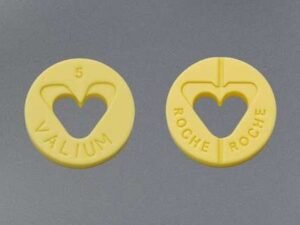
Valium 5mg
Price range: $432.00 through $932.00What Is Valium? Valium has a place in the benzodiazepine pharmaceutical lesson that acts as an anxiolytic medication. It has also earned its place on the list of essential medicines compiled by the World Health Organization (WHO). As a scheduled medication, buying or selling it without a valid prescription is illegal. You can purchase the medication from a nearby chemist shop or buy Valium online. How To Take Valium? Your doctor will start your treatment with the lowest possible dose and adjust it as needed, either increasing or decreasing as necessary. To decide the most appropriate measurements for you, your specialist ought to look at you properly. Your specialist will endorse your Valium measurements keep the taking after components in mind: Age and weight of the patient The therapeutic condition of the patient Another being disarranging the persistent is enduring from How does the understanding react to the, to begin with, dosage of the medicine? Take Valium as endorsed by your specialist and take care of all the enlightening and headings given on the medicine or medication label. Please don’t utilize it more regularly than suggested and tell your specialist if you do not notice any change in your condition. It is best to dodge restorative mistakes and attempt to be steady all through your treatment. The taking after is the normal Valium dose that your specialist can endorse you: In the shape of verbal arrangement or tablets Dosage For Treating Anxiety For more seasoned grown-ups (65 a long time or above) Older adults’ inside organs might not work that well; in this manner, specialists ought to be additionally cautious while endorsing doses for more seasoned grown-ups. Specialists will at first endorse 2 mg to 2.5 mg of the pharmaceutical once or twice a day. For grown-ups (18 a long time or more but less than 65 years) Your specialist will start your treatment with 2 mg to 10 mg of the pharmaceutical, which you are required to take twice or Fourfold a day. For children (6 months or more but less than 18 years) 1 mg to 2.5 mg, thrice or fourfold a day. Your specialist will alter your pharmaceutical measurements if required. For children (6 months or less) Using Valium to treat children under six months of age is not recommended. Dosage For Overseeing Liquor Withdrawal For more seasoned grown-ups (65 a long time or above) Doctors will at first endorse 2 mg to 2.5 mg of the pharmaceutical once or twice a day. For grown-ups (18 a long time or more but less than 65 years) Your specialist will start your treatment with 10 mg of the medication, which you are required to take inside the, to begin with, 24 hours; at that point, your specialist will decrease your pharmaceutical measurements to 5 mg, thrice to four times a day. For children (18 a long time or less) Doctors will decide the rectified dose of Valium for children after a full and legitimate restorative checkup. Dosage For Treating Muscles Spasm For more seasoned grown-ups (65 a long time or above) Initially, 2 mg to 2.5 mg of Valium verbal tablets or arrangement once or twice a day, your specialist may alter your pharmaceutical measurements if required. For grown-ups (18 a long time or more but less than 65 years) Your specialist will start your treatment with 2 mg to 10 mg of the medication, which you are required to take twice or Fourfold a day. For children (6 months or more but less than 18 years) 1 mg to 2.5 mg, thrice or fourfold a day. Your specialist will alter your medication dosage if required. For children (6 months or less) Valium should not be used to treat children under six months of age. Dosage For Treating Seizures For more seasoned grown-ups (65 a long time or above) Older adults’ inside organs might not work that well; hence, specialists ought to be additionally cautious while endorsing doses for more seasoned grown-ups. Specialists will at first endorse 2 mg to 2.5 mg of the medication once or twice a day. For grown-ups (18 a long time or more but less than 65 years) The usual dosage of the medication ranges from 2 mg to 10 mg, taken three to four times a day. Your specialist will alter your pharmaceutical measurements if required. For children (6 months or more but less than 18 years) Your specialist will start your treatment with 1 mg to 2.5 mg medications, thrice or fourfold a day. For children (6 months or less) Valium is not recommended for treating children under six months of age. Store Valium tablets fittingly at room temperature, absent from warm, light, and dampness. Keep Valium tablets out of the reach of the children; they may abuse them. After completing your treatment, conversations with drug specialists or chemists close you for the appropriate transfer of extra medicine. What To Know Sometime Recently Taking Valium? You are required to take care of the taking after things sometime recently utilizing Valium: Take Valium as it were when your specialist endorsed you for that. Using Valium in the long term can make mental or physical reliance on the drugs. Health specialists have not endorsed Valium for treating patients younger than six months. Please dodge taking Valium if you are unfavorably susceptible to it or any of its components or comparable medicines. Your specialist will not endorse you Valium if you have the following wellbeing issues: muscle shortcoming clutter such as myasthenia gravis Difficulty in breathing Sleep apnea (breathing that stops while sleeping) Narrow-angled glaucoma Uncontrolled open-angle glaucoma Damaged liver. Avoid taking Valium if you are dependent on drugs or liquor (or history thereof). You cannot take the said medicine if you have or ever had the taking after well-being disorder: Breathing issues Glaucoma Damaged liver Kidney disease Seizures Depression Mood swing Mood or behavior disorder Destructive or self-hindering behavior Using Valium during pregnancy may hurt the child and make the infant physically and rationally subordinate to the drug. Breastfeeding might not be secure when utilizing Valium. In case of a Valium overdose, it would be ideal if you counsel your specialist or call the Harm helpline at 1-800-222-1222. It is best to tell the specialist about all the solutions or treatments you are right now taking. Visit your specialist regularly for normal therapeutic checkups, and continuously keep in mind that taking Valium is a portion of the treatment; take it after your doctor’s exhortation to make the medication more effective. Please do not begin or halt taking pharmaceuticals out of sudden; something else, you may encounter certain bounce back or withdrawal symptoms. Avoid homegrown items, vitamins, over-the-counter drugs, and other wholesome supplements while utilizing Valium. If you need to arrange Valium online, do it through an authentic online store. Ask your specialist about all the vital safety measures that you ought to take when utilizing Valium. You can counsel your specialist to learn more about the dangers and benefits related to Valium. What Are The Benefits Of Utilizing Valium? Doctors endorse Valium to treat a few well-being clutters such as Anxiety panic attacks Agitation Vertigo Alcohol opioid, or Benzodiazepine disorder Sleeping clutter (insomnia) Muscles spasm Tetanus Spastic strong paresis Stiff individual syndrome Any other conditions as they may determine What Are The Side Impacts Of Valium? You can involvement a few of the after-side impacts after utilizing Valium: Drowsiness Tiredness Weak muscles Loss of balance Problems in muscle movements You may have to confront these mellow side impacts as they will be affirmed after a while. Still, assume you feel these side impacts are getting to be more awful day by day. In that case, it would be ideal if you counsel your specialist ASAP and look for therapeutic help. Stop taking Vicodin and tell your specialist if you experience: Severe tipsiness or drowsiness Mood swings Behavioral disorder Depression or anxiety Destructive or self-negative behavior Confusion Hallucination Trouble in sleeping Seizures or convulsions Any other extreme unfavorably susceptible response to the medicine How Does Valium Work? Being a Benzodiazepine medicine and the central apprehensive framework depressant, Valium works by expanding or improving gamma-aminobutyric corrosive (GABA) impacts in the brain. What to Avoid While Using Valium? Taking Valium can disable your capacity to think and respond to a specific circumstance. Be cautious when driving and working overwhelming machines. Avoid including in exercises that require consideration and sharpness. If it’s not too much trouble don’t utilize liquor and grapefruit or its juice at the same time with Valium.