Buy Gabapentin Online
Showing all 3 results

Gabapentin 100mg
Price range: $333.00 through $711.00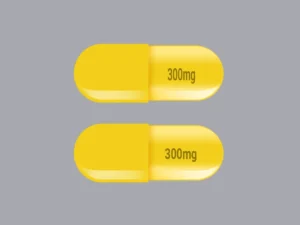
Gabapentin 300mg
Price range: $343.00 through $758.00
Gabapentin 400mg
Price range: $353.00 through $770.00Overview Originally developed for epilepsy, Gabapentin now treats nerve pain and anxiety. This non-opioid medication alters brain signals to reduce discomfort. While considered safer than opioids, misuse can cause dizziness, dependence, and withdrawal symptoms. Some seek stronger effects by combining it with other drugs, increasing risks. Unregulated sources offering to buy Gabapentin online may sell counterfeit pills with harmful additives. Long-term use requires monitoring, as sudden stoppage may trigger seizures. Always verify pharmaceutical authenticity for safety. History Developed in the 1970s as an epilepsy drug, gabapentin gained FDA approval in 1993. By the 2000s, off-label use for nerve pain and anxiety surged. Its non-narcotic status led to relaxed prescribing, but misuse potential became evident as recreational use grew. Today, some attempt to buy Gabapentin online without oversight, risking counterfeit versions. While not controlled federally, many states now monitor it due to abuse reports. Originally designed as a safer alternative, its unexpected popularity created new regulatory challenges. Gabapentin FDA Status Approved for epilepsy and nerve pain, gabapentin remains non-controlled federally but carries abuse warnings. Some states now classify it as a monitored substance due to rising misuse. While not a narcotic, combining it with opioids increases overdose risks. Illicit online pharmacies offering to buy Gabapentin online often bypass safety protocols, selling unverified pills. The FDA warns against off-label use without supervision. Though considered safer than opioids, sudden discontinuation may trigger seizures. Always verify pharmaceutical legitimacy before use. Uses Primarily treats nerve pain (shingles, diabetes) and epilepsy by calming overactive nerves. Off-label, it helps with anxiety, insomnia, and restless legs syndrome. Some misuse it for its mild euphoric effects when combined with other drugs. Unregulated vendors offering to buy Gabapentin online often supply counterfeit versions with unpredictable dosages. While not opioid-based, withdrawal can cause insomnia or anxiety. Always verify pharmaceutical sources, as impure formulations risk severe side effects. Short-term relief requires cautious dosing to avoid dependency. How Gabapentin Works This medication mimics GABA to calm overactive nerves, reducing seizures and nerve pain. Unlike opioids, it doesn’t bind to receptors but alters calcium channels in the brain. Effects appear within 1-2 hours, lasting up to 8 hours. Some misuse it for mild sedation, especially when combined with other drugs, risking respiratory depression. Illicit attempts to buy Gabapentin online often yield fake pills with inconsistent potency. Tolerance develops slowly, but abrupt stoppage may trigger rebound symptoms. Always verify pharmaceutical sources for safety. How to buy Gabapentin online? While purchasing gabapentin online is simple, choosing the best pharmacy might be difficult. There are numerous locations where people can obtain harmful, subpar medications. Always confirm an online pharmacy’s legitimacy and dependability. Our trustworthy medical company provides everyone in the US market with high-quality Gabapentin at a very reasonable price online. Receive a discount of up to 25% on all medications. Make use of the CARRY10 coupon. We provide expedited and overnight shipping as well. Kindly get in touch with our medical advisor if you have any inquiries concerning Gabapentin treatment or any of its adverse effects. Gabapentin is categorized as a prohibited substance, therefore, carefully read the instructions before using any prescription drug. Pill Identification Common forms include white oval tablets (600mg, marked “TEVA”), yellow capsules (300mg, marked “G”), or round orange pills (100mg). Generic versions vary by manufacturer always check imprints via drug databases. Counterfeit risks rise with unauthorized sources offering to buy Gabapentin online; fake pills may lack markings or contain harmful fillers. Legitimate packaging shows dosage, brand (Neurontin), and manufacturer details. Verify all pills before use, misidentified medication risks overdose or dangerous interactions. Gabapentin Dosage Guidelines Teenagers: Rarely recommended (100-300mg max if used for epilepsy). Adults: 300-600mg, 3x daily for nerve pain; max 3600mg/day. Older Age: Start with 100mg (reduced kidney function increases side effects). Misuse risks dizziness and dependence illegal attempts to buy Gabapentin online often deliver unsafe counterfeit pills. Never crush or snort tablets. Taper gradually to avoid withdrawal seizures. Verify all medications through legitimate sources. Higher doses increase sedation and fall risks. Overdose Symptoms Watch for extreme drowsiness, slurred speech, blurred vision, or muscle weakness. Severe cases cause tremors, rapid heartbeat, or loss of consciousness, especially when mixed with opioids/alcohol. Counterfeit pills (common when users buy Gabapentin online) may contain lethal additives like fentanyl, worsening risks. Diarrhea and breathing difficulties signal an emergency. No antidote exists seek immediate medical help. Prevent misuse by storing securely and verifying pill authenticity. Even non-opioid overdoses can turn fatal without prompt treatment. Safety Guidelines Take only as directed, never exceed recommended doses. Avoid alcohol and opioids (deadly interactions possible). Swallow pills whole; crushing alters absorption. Store securely to prevent misuse. Taper gradually to dodge withdrawal symptoms like anxiety or insomnia. Counterfeit risks spike when users buy Gabapentin online, as fake pills often contain dangerous fillers. Verify pharmacy licenses before purchasing. Report unusual mood changes immediately. Higher doses increase fall risks use caution when standing. Keep emergency contacts handy for adverse reactions. Warnings Addiction Risk – Prolonged use may cause dependence Dangerous Mix – Combining opioids/alcohol increases overdose potential Withdrawal Effects – Abrupt stoppage triggers anxiety, insomnia, or seizures Counterfeit Alert – Pills from sources to buy Gabapentin online often contain lethal additives Cognitive Impairment – Causes dizziness, memory issues, and coordination problems Kidney Concerns – Reduced dosage needed for impaired kidney function Mood Changes – May worsen depression or suicidal thoughts No Antidote – Overdose requires immediate medical intervention Active Ingredient Contains only gabapentin, a synthetic compound mimicking GABA to calm nerve signals. Available as 100-800mg tablets/capsules, with inactive ingredients varying by brand. Counterfeit versions sometimes sold to those trying to buy Gabapentin online may mix in dangerous fillers like tramadol or fentanyl. Authentic pills show precise manufacturer imprints (e.g., “TEVA” or “G”). Never trust unsealed packaging, as it poses an impurity risk and can lead to severe side effects. While non-narcotic, misuse still causes dependency. Verify all medications to avoid altered formulations. Gabapentin Side Effects Common: Dizziness, fatigue, blurred vision, weight gain, and mild tremors. Typically fades as the body adjusts. Adverse: Severe mood swings, suicidal thoughts, memory loss, or allergic reactions (rash/swelling). Overdose risks include respiratory depression, especially when mixed with opioids. Illicit purchases (buy Gabapentin online) often yield counterfeit pills with deadly additives. Long-term use may cause dependency; withdrawal triggers anxiety or seizures. Report extreme symptoms immediately. Even with proper use, caution is vital, as this non-opioid still carries significant neurological risks. Drug Formulation Available as tablets (100-800mg), capsules (100-400mg), and oral solutions. Immediate-release versions act within 2 hours, while extended-release formulations last longer. Generic brands dominate, each with distinct markings (e.g., “G 32” for 300mg). Counterfeit risks rise when users buy Gabapentin online, fake pills often lack proper imprints or contain harmful binders. Always verify manufacturer details on packaging. Tablets should never be crushed; altered forms increase overdose potential. Authentic products list gabapentin as the sole active ingredient. Other brands Sold as Neurontin (brand-name) or generics by Teva, Sun Pharma, and others. International versions include Gabarone and Gralise (extended-release). All include the same active ingredient but differ in fillers and release mechanisms. Illicit vendors offering to buy Gabapentin online often push counterfeit versions with dangerous additives. While generics are cheaper, verify manufacturer credibility, as impure formulations risk severe side effects. Each brand requires identical precautions: avoid alcohol, monitor mood changes, and taper gradually to prevent withdrawal seizures. Gabapentin Manufacturers Pfizer originally developed Neurontin, but generics now dominate from companies like Teva, Sun Pharma, and Zydus. These FDA-approved producers ensure consistent dosing in 100-800mg tablets/capsules. Unregulated vendors offering to buy Gabapentin online often source counterfeit pills with incorrect potency or dangerous fillers. Legitimate packaging displays manufacturer logos, lot numbers, and precise imprints. While non-narcotic, quality varies stick to verified pharmaceutical sources to avoid altered formulations that risk overdose or adverse reactions. Conclusion Effective for nerve pain and seizures, but misuse risks dependency and severe side effects. While non-narcotic, combining with opioids/alcohol can be deadly. Illicit attempts to buy Gabapentin online often result in counterfeit pills with dangerous additives. Short-term use requires caution; long-term use demands gradual tapering to avoid withdrawal. Always verify pharmaceutical sources, as impure formulations risk health complications. Though safer than opioids, respect its neurological impact. Safety hinges on proper dosing and avoiding unregulated suppliers. FAQs What is Gabapentin used for? Manages nerve pain and seizures by calming overactive nerves. How long does it take to work? Effects may take 1-2 weeks for full benefits. Common side effects? Dizziness, drowsiness, or mild swelling may occur. Can it be taken with other meds? Avoid mixing with alcohol or sedatives. Where to find quality products? Only buy Gabapentin online from verified pharmacies.